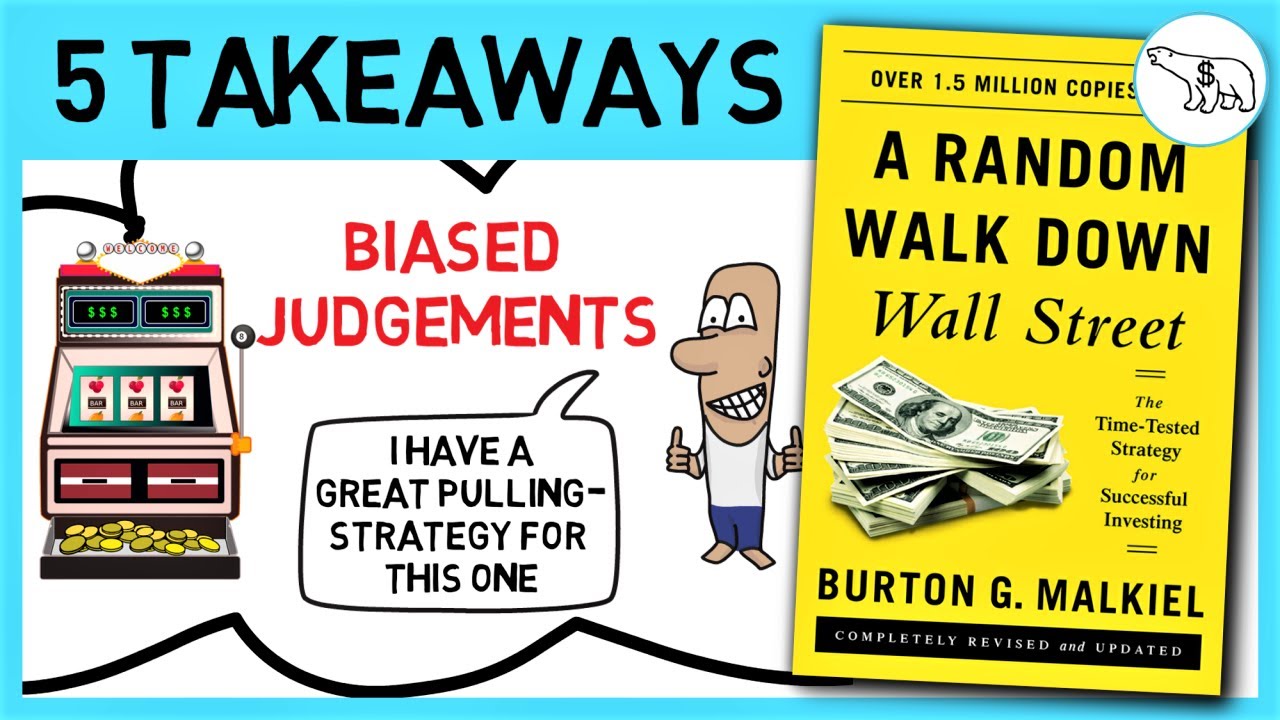
Wall Street's Enduring Enigma: A History of Recurring Crises
Wall Street, the beating heart of global finance, has long been synonymous with both unparalleled wealth creation and devastating financial upheaval. From the nascent days of the American republic to the sophisticated, interconnected markets of the 21st century, its history is punctuated by recurring cycles of boom, bust, and profound economic consequence. While today we marvel at tech titans like Apple, Amazon, and Google (Alphabet) commanding valuations that feel almost otherworldly – an Un Azione Dell Altro Mondo, as one might say, given their meteoric rise even amidst global crises – the underlying dynamics of speculative fervor, irrational exuberance, and subsequent collapse are far from new.
Indeed, recent years have seen unprecedented stock market records, with indices doubling in value despite global lockdowns and economic slowdowns. Apple alone, for instance, surged from a $1 trillion valuation in 2018 to an astounding $3 trillion by 2022. This rapid accumulation of wealth for some, however, often masks a parallel history of devastating financial crashes that, for the broader populace, have proven ruinous. These aren't isolated incidents but rather integral chapters in America's economic narrative, demonstrating a persistent pattern that warrants closer examination.
The Genesis of Turmoil: Wall Street's Early Crises (1837 & 1873)
The story of Wall Street's recurring crises begins not in the modern era, but shortly after American independence. The Panic of 1837 stands out as the nation's first major speculative bubble and subsequent financial meltdown. Fueled by a frenzied land speculation boom, easy credit policies by state banks, and a surge in commodity prices, the economy overheated rapidly. The federal government, under President Andrew Jackson, exacerbated the situation by issuing the "Specie Circular," which required payment for public lands in gold and silver, draining specie from the banks. This, combined with a downturn in cotton prices and a British financial crisis, triggered a cascading failure. On May 10, 1837, New York City banks suspended specie payments, igniting a panic that led to a five-year economic depression, widespread bankruptcies, and significant unemployment. It was a stark early lesson in the dangers of unchecked speculation and interconnected financial systems.
Decades later, in 1873, another severe depression gripped the nation, again stemming from a combination of factors including post-Civil War overexpansion in railroads and manufacturing, and a controversial monetary policy decision. The "Crime of 1873," as it became known, involved the demonetization of silver, effectively moving the U.S. to a gold standard. While intended to stabilize currency, it contracted the money supply, making credit scarce and expensive. This coincided with a collapse in European financial markets and an oversupply in agricultural products, devastating the then-preponderant farming sector. The Panic of 1873 led to a depression that lasted for several years, illustrating how fundamental changes in monetary policy, coupled with industrial overreach, could precipitate widespread economic hardship.
From Roaring Twenties to the Great Crash of 1929
The early 20th century brought new forms of speculative excess, culminating in the infamous Wall Street Crash of 1929. The 1920s, known as the "Roaring Twenties," were characterized by rapid industrial growth, technological innovation, and an era of unprecedented optimism. This exuberance translated into a booming stock market, where millions of ordinary Americans, alongside seasoned investors, bought stocks on margin – borrowing money to purchase shares. The belief that stock prices would only ever go up became a self-fulfilling prophecy, divorced from the underlying fundamentals of company earnings or real economic value.
However, beneath the surface of prosperity lay structural weaknesses: unequal wealth distribution, agricultural recession, and an unsustainable credit bubble. When signs of economic slowdown began to appear, confidence started to waver. On October 24, 1929, "Black Thursday" saw a sudden and massive sell-off, which intensified dramatically on "Black Tuesday," October 29. The market plummeted, wiping out billions in wealth and savings. The Great Crash of 1929 did not single-handedly cause the Great Depression, but it acted as a powerful catalyst, shattering consumer and business confidence, tightening credit, and leading to a cascade of bank failures and mass unemployment that would define the next decade. The lessons learned from this period fundamentally reshaped financial regulation, giving rise to institutions like the Securities and Exchange Commission (SEC) to prevent such unchecked speculative orgies from recurring.
Modern Mania: From Dot-Coms to Subprime Disasters
While the industrial might of 20th-century America underpinned its global "Pax Americana," this era, too, experienced its share of financial shocks. A significant moment arrived in 1971 with the tempestuous devaluation of the dollar, ending its convertibility to gold and ushering in an era of floating exchange rates. But it was at the close of the millennium that a new breed of speculative bubble emerged, driven by technological innovation rather than industrial production or land speculation.
The late 1990s witnessed the dot-com bubble. Fueled by the promise of the internet, investors poured money into technology and internet-based startups, often with little to no revenue or clear business models. Valuations soared to dizzying heights, creating an Un Azione Dell Altro Mondo of market performance where companies were valued not on tangible assets or profitability, but on web traffic or speculative future growth. The bubble burst in early 2000, leading to a sharp market correction, bankruptcies for countless tech companies, and significant losses for investors who had chased the hype.
Perhaps the most devastating recent crisis, especially for its global repercussions, was the subprime mortgage crisis of 2007-2008. This complex financial meltdown originated in the U.S. housing market, where banks and other lenders had aggressively issued "subprime" mortgages – loans to borrowers with poor credit histories or insufficient income, often with adjustable rates and little documentation. These risky loans were then packaged into complex financial instruments (Mortgage-Backed Securities, MBS) and sold to investors worldwide. When interest rates rose and homeowners could no longer afford their payments, foreclosures surged, housing prices collapsed, and the value of these MBS plunged. The interconnectedness of the global financial system meant that banks and institutions across Europe and beyond, holding vast quantities of these toxic assets, faced insolvency. The crisis exposed fundamental flaws in risk management, regulatory oversight, and the pursuit of short-term profits over long-term stability, necessitating massive government bailouts and sparking a global recession.
Understanding the Cycle: Lessons and Countermeasures
These recurring crises invite critical analysis. The reference context posits them as "bloodlettings" – periodic purges to purify the economic body. However, as the analogy itself suggests, bloodletting was an ineffective, even harmful, medical practice. More accurately, these crises, particularly the monetary and banking ones, often function as a form of forced income transmission, enriching a few at the expense of many. While no single study definitively "comforts" this hypothesis, the historical evidence of wealth concentration following major downturns is compelling.
So, what can be learned? First, recognize the indelible human element: fear and greed drive speculative bubbles. During boom times, the urge to participate in seemingly easy gains can override rational judgment. Second, understand the role of leverage and easy credit. Most major crises are fueled by an overabundance of cheap money that encourages excessive risk-taking. Third, appreciate the systemic risk of an interconnected financial system. A problem in one sector or region can rapidly cascade globally.
Practical Insights for Navigating Market Volatility:
- Diversification is Key: Don't put all your eggs in one basket. Spread investments across different asset classes, industries, and geographies.
- Focus on Fundamentals: Invest in companies with strong balance sheets, clear business models, and proven profitability, rather than chasing speculative trends or "hot" stocks.
- Avoid Excessive Leverage: While borrowing can amplify returns, it also amplifies losses during downturns. Be cautious with margin investing.
- Stay Informed, But Not Reactive: Understand economic indicators and market trends, but avoid making impulsive decisions based on daily news cycles or herd mentality.
- Regulation Matters: Support robust financial regulation aimed at preventing systemic risks, protecting consumers, and ensuring transparency.
- Maintain an Emergency Fund: Ensure you have sufficient liquid savings to weather economic downturns without being forced to sell investments at a loss.
From the Panic of 1837 to the subprime mortgage crisis, Wall Street's history is a testament to the persistent tension between innovation and instability, prosperity and peril. While each crisis has its unique triggers and characteristics, the underlying human behaviors and systemic vulnerabilities often echo through the centuries. Understanding these recurring patterns is not just an academic exercise; it's a crucial step towards building a more resilient financial future and safeguarding against the next inevitable market upheaval.